Navigating the Future of Fashion: Trends, Sustainability, and Budget-Friendly Choices
The fashion and apparel industry is undergoing a significant transformation, driven by changing consumer preferences, technological advancements, and a growing emphasis on sustainability. As we delve into the current landscape of fashion, it is essential to analyze recent market statistics and purchasing behaviors that are shaping the future of this dynamic sector.
In 2022, the global apparel market was valued at approximately $1.5 trillion, with projections indicating it could reach $2 trillion by 2026. This growth is fueled by a combination of factors, including the rise of e-commerce, increased disposable income in emerging markets, and a shift towards more casual and comfortable clothing styles. According to a recent survey, 67% of consumers reported that they prefer to shop online for clothing, highlighting the importance of digital platforms in the fashion industry.
Key Insight: The shift towards online shopping is not just a trend; it reflects a fundamental change in consumer behavior that brands must adapt to in order to remain competitive.
One of the most significant trends in the fashion industry today is the increasing demand for sustainable and eco-friendly apparel. A report from McKinsey & Company revealed that 60% of consumers are willing to change their shopping habits to reduce environmental impact. This statistic underscores the urgency for brands to adopt sustainable practices, such as using organic materials, reducing waste, and implementing ethical labor practices.
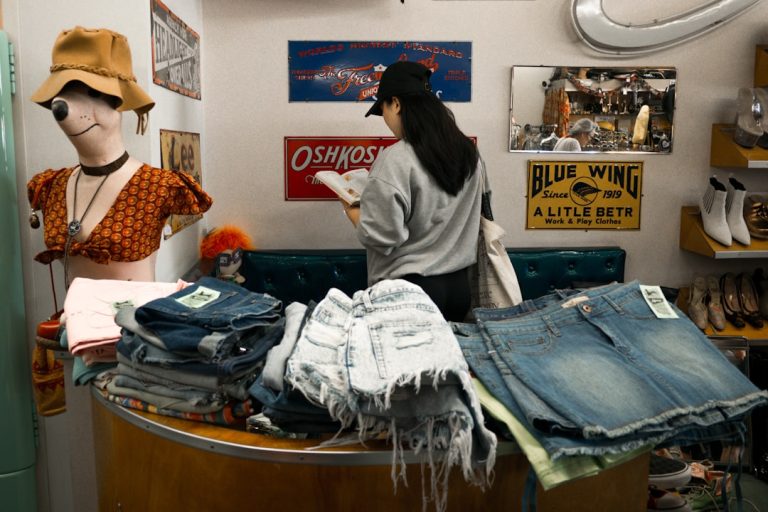
Budget-friendly fashion is also gaining traction as consumers become more price-conscious. The rise of fast fashion has led to a culture of disposable clothing, but recent data indicates a shift towards more mindful purchasing. In 2021, the resale market for second-hand clothing grew by 32%, with projections suggesting it could reach $77 billion by 2025. This trend not only promotes sustainability but also offers consumers an affordable way to stay fashionable without breaking the bank.
DIY fashion is another exciting avenue that has emerged in recent years. With the rise of social media platforms like TikTok and Instagram, individuals are increasingly sharing their creative fashion projects, from upcycling old garments to creating custom pieces. This movement encourages self-expression and individuality, allowing consumers to curate their wardrobes in a way that reflects their personal style while also being budget-conscious.
As we look towards the future, several key trends are expected to dominate the fashion landscape. Firstly, the integration of technology into fashion is set to revolutionize the industry. Innovations such as virtual fitting rooms, augmented reality shopping experiences, and AI-driven personal styling services are becoming more prevalent. These advancements not only enhance the shopping experience but also help brands gather valuable data on consumer preferences and behaviors.
Moreover, the concept of inclusivity in fashion is gaining momentum. Brands are increasingly recognizing the importance of catering to diverse body types, sizes, and cultural backgrounds. A survey conducted by the Council of Fashion Designers of America found that 80% of consumers believe that fashion should be inclusive and representative of all individuals. This shift towards inclusivity is not only a moral imperative but also a smart business strategy, as it opens up new markets and fosters brand loyalty.
In conclusion, the fashion and apparel industry is at a crossroads, with sustainability, budget-friendly options, and technological advancements shaping its future. As consumers become more conscious of their purchasing decisions, brands must adapt to these changing dynamics to thrive in a competitive marketplace. By embracing eco-friendly practices, promoting inclusivity, and leveraging technology, the fashion industry can not only meet consumer demands but also pave the way for a more sustainable and innovative future.