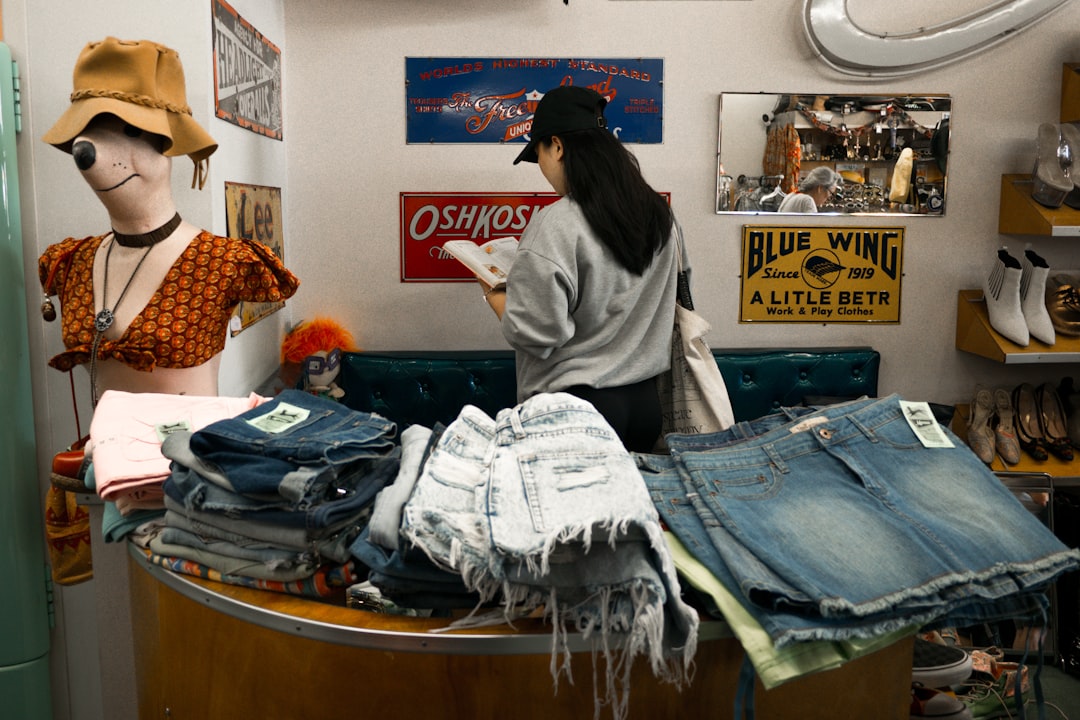
Reviving Local Fashion: How Eco-Friendly Practices Transformed Portland’s Apparel Scene
In the heart of Portland, Oregon, a quiet revolution is taking place in the fashion and apparel industry. This city, known for its vibrant arts scene and commitment to sustainability, has become a beacon for eco-friendly fashion practices. Local designers and entrepreneurs are not just creating clothing; they are fostering a community that values sustainability, creativity, and economic growth. This article explores how Portland’s fashion scene has embraced eco-friendly practices, leading to measurable outcomes that benefit both the environment and the local economy.
Portland’s journey towards sustainable fashion began with a handful of passionate designers who recognized the environmental impact of fast fashion. They sought to create a movement that would not only reduce waste but also promote ethical labor practices. By using recycled materials, organic fabrics, and local production methods, these designers have set a new standard for what it means to be fashionable in a responsible way.
One of the standout examples of this movement is the brand “EcoThreads,” founded by local designer Mia Thompson. Mia started her journey in a small studio, creating unique pieces from discarded textiles. Her commitment to sustainability resonated with the community, and soon, EcoThreads became a household name in Portland. In just three years, Mia’s business grew by 150%, demonstrating that consumers are willing to invest in sustainable fashion when they see the value it brings.
The impact of this eco-friendly approach extends beyond individual businesses. According to a recent study conducted by the Portland Fashion Alliance, the local fashion industry has seen a 30% increase in revenue since the push towards sustainable practices began. This growth is attributed to a combination of factors, including increased consumer awareness, the rise of online shopping, and a strong community support system that encourages local purchasing.
Moreover, the community’s commitment to sustainability has led to the establishment of several initiatives aimed at reducing textile waste. The “Portland Fabric Swap” is a popular event where residents can exchange unused fabrics and clothing, promoting a culture of reuse and creativity. This event not only helps reduce waste but also fosters connections among local designers, hobbyists, and fashion enthusiasts. Participants report saving an average of 20% on their fabric costs by sourcing materials through swaps instead of traditional retail channels.
The success of eco-friendly fashion in Portland has also inspired local schools to incorporate sustainable practices into their curricula. Fashion design programs now emphasize the importance of ethical sourcing and environmental responsibility, preparing the next generation of designers to continue this important work. Students are encouraged to create collections that reflect their values, leading to innovative designs that prioritize sustainability.
As the movement grows, so does the community’s recognition of the importance of supporting local businesses. The “Shop Local” campaign, launched by the Portland Chamber of Commerce, encourages residents to choose local brands over national chains. This initiative has resulted in a 25% increase in foot traffic to local boutiques and shops, further boosting the local economy and reinforcing the idea that fashion can be both stylish and sustainable.
Portland’s fashion scene serves as a powerful case study for other cities looking to embrace eco-friendly practices. The measurable outcomes achieved here—such as increased revenue, reduced waste, and a stronger community—demonstrate that sustainability is not just a trend but a viable business model. As more consumers seek out ethical options, the demand for sustainable fashion will only continue to grow.
In conclusion, the transformation of Portland’s fashion and apparel industry highlights the potential for localized impact through eco-friendly practices. By prioritizing sustainability, local designers and entrepreneurs are not only contributing to a healthier planet but also fostering economic growth and community engagement. As other cities look to Portland as a model, the future of fashion may very well depend on our ability to embrace change and innovate responsibly.